Receiver tuning remains the foundation of signal stability. Accurate frequency input, along with proper symbol rate and polarization settings, allows the device to decode signals efficiently. Errors in these parameters lead to missing channels or weak reception.
Modern receivers support automatic scanning, but manual tuning remains the most precise method, especially when dealing with newly updated frequencies. It ensures that all transponder changes are captured effectively.
Dish alignment is another crucial factor. A well-positioned dish captures the satellite signal with maximum strength, reducing interference and ensuring consistent performance.
By combining proper tuning, updated frequency knowledge, and quality installation, viewers enjoy a superior satellite experience with crystal-clear reception.
Receiver tuning remains the foundation of signal stability. Accurate frequency input, along with proper symbol rate and polarization settings, allows the device to decode signals efficiently. Errors in these parameters lead to missing channels or weak reception.
Modern receivers support automatic scanning, but manual tuning remains the most precise method, especially when dealing with newly updated frequencies. It ensures that all transponder changes are captured effectively.
Dish alignment is another crucial factor. A well-positioned dish captures the satellite signal with maximum strength, reducing interference and ensuring consistent performance.
By combining proper tuning, updated frequency knowledge, and quality installation, viewers enjoy a superior satellite experience with crystal-clear reception.
Correct tuning of the receiver, including setting the right frequency, polarization, and symbol rate, remains essential for smooth reception. Small mistakes in these values often lead to weak signals or missing channels, making accurate data crucial.
With proper dish alignment and well-maintained cabling, viewers can significantly enhance signal strength and stability. When both technical updates and physical setup are optimized, the satellite viewing experience becomes seamless and enjoyable.
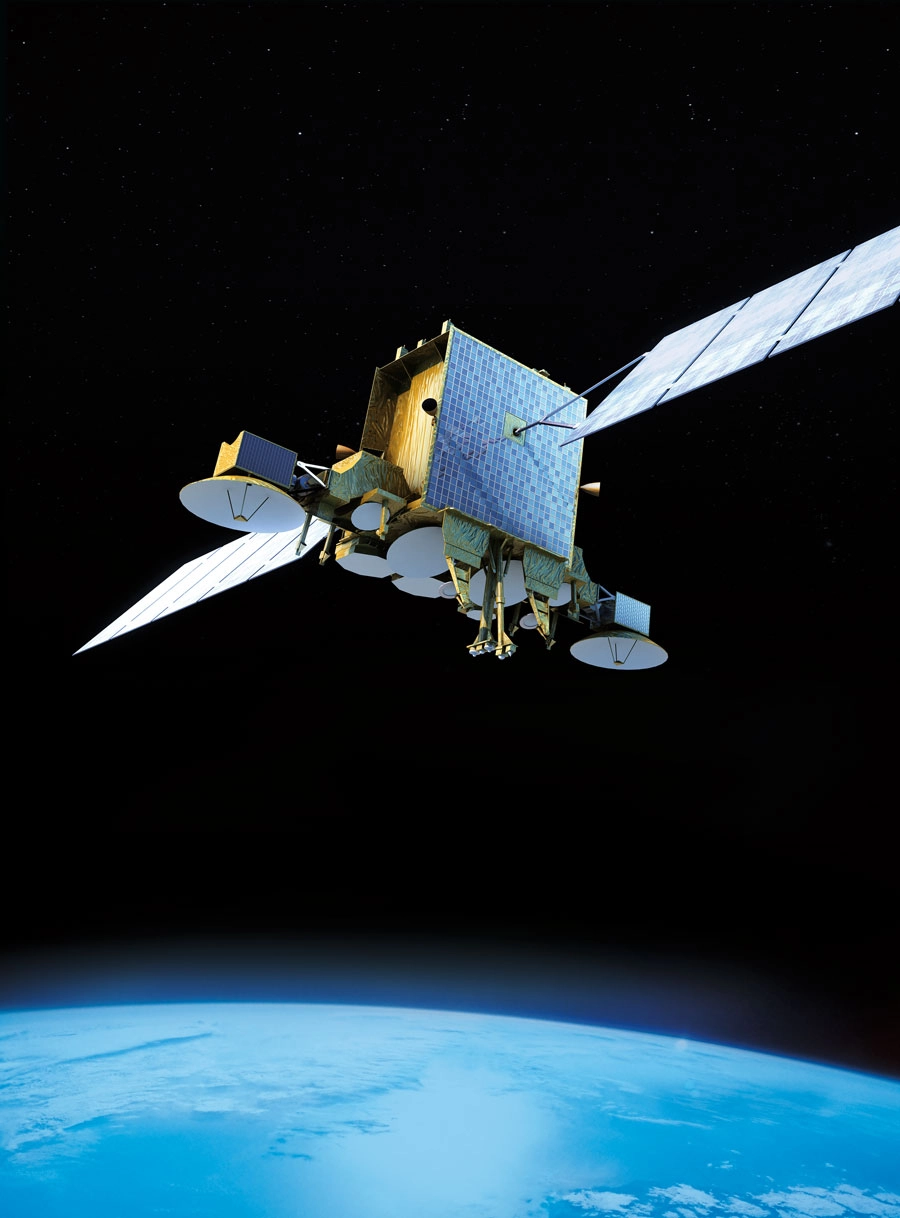
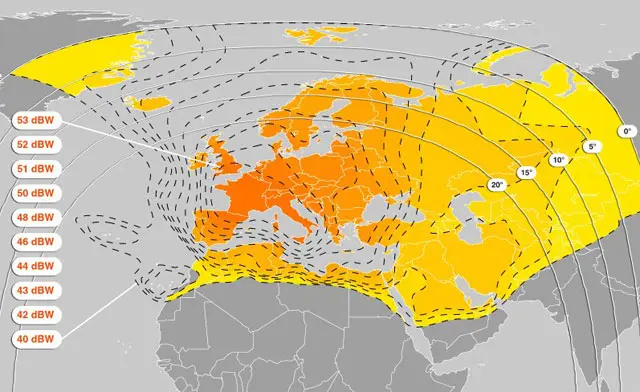
Hotbird is one of the most widely used communication satellites for broadcasting television and radio channels across Europe, the Middle East, and parts of North Africa.
Since its launch in 1995, the Hotbird satellite fleet has played a significant role in providing a wide variety of content, including free-to-air, subscription-based channels, and internet services.
With its strategic orbital position and advanced technology, Hotbird has established itself as a leader in the satellite broadcasting industry.
🚀 On the subject of Hotbird
Hotbird is operated by Eutelsat, one of the world’s leading satellite operators. The Hotbird satellite fleet consists of multiple satellites, such as Hotbird 13C, Hotbird 13B, and Hotbird 13E, which are positioned at 13° East longitude. This prime location allows Hotbird to provide coverage across large parts of Europe, the Middle East, and North Africa.
Hotbird offers an extensive array of services, including:
-
Television channels: A variety of TV channels, including news, sports, entertainment, and educational programming.
-
Radio broadcasting: Both FM and satellite radio services.
-
Data and internet services: Reliable internet and communication links for businesses and individuals.
-
Corporate communications: Private communication channels for corporate and government use.
🌐 Hotbird’s Satellite Fleet
The Hotbird fleet includes several satellites positioned in the same orbital slot at 13° East, which gives it an exceptional ability to serve a large area of coverage.
Key satellites in the Hotbird fleet include:
-
Hotbird 13B
-
Hotbird 13C
-
Hotbird 13E
-
Hotbird 13F (Upcoming)
These satellites are equipped with high-powered transponders that deliver a wide range of services across the broadcast and telecommunication sectors.
🛰️ Frequencies and Services on Hotbird
Hotbird offers services through several frequency bands, including the Ku-band and Ka-band. These frequencies are used for different purposes:
-
Ku-band: The most common frequency for satellite TV and radio services. It offers high-quality transmission with smaller dishes and supports high-definition (HD) channels and internet services.
-
Ka-band: Used for high-capacity data services and satellite internet, offering faster speeds and lower latency.
Hotbird’s wide range of frequencies enables users to access hundreds of television channels, radio stations, and internet services across a broad area.
📡 How to Receive Hotbird Signals
To receive signals from the Hotbird satellite, users need a satellite dish that is properly aligned to the 13° East orbital position. The dish should be connected to a compatible receiver, which will allow the user to tune in to the correct frequencies.
Common Hotbird Frequencies:
-
Hotbird 13C Frequency:
-
Frequency: 11.647 GHz (Horizontal)
-
Symbol Rate: 27500
-
FEC: 3/4
-
-
Hotbird 13B Frequency:
-
Frequency: 12.722 GHz (Vertical)
-
Symbol Rate: 27500
-
FEC: 3/4
-
These frequencies are used for a variety of services, including satellite TV channels, radio stations, and data transmission.
For precise information on the frequencies and satellite settings, FreqSatellite is an excellent resource that provides updated details for users looking to tune their satellite systems to Hotbird’s services.
Hotbird is a major player in satellite broadcasting, offering wide-reaching coverage and reliable services across Europe, the Middle East, and North Africa. Its fleet of satellites provides a broad range of services, including television, radio, internet, and data transmission, making it a key player in the communication industry.
If you are looking to set up a satellite system to receive Hotbird signals or need the latest frequency updates, FreqSatellite offers the most comprehensive guides and settings for all your satellite needs.
Accurate receiver configuration plays a major role in restoring channels after any frequency changes. Properly setting the frequency, polarization, and symbol rate ensures the highest level of clarity and signal strength.
Manual tuning often produces better results than automatic scanning, especially when handling recently updated transponders. It gives users greater control and precision over their settings.
Dish alignment is equally important. A properly positioned dish captures the satellite beam more effectively, reducing the chances of pixelation or sudden signal loss.
Maintaining quality cables and connectors also contributes to stable reception, as poor wiring can disrupt even the strongest signals.
With accurate tuning, careful installation, and routine maintenance, viewers can achieve a reliable and optimized satellite viewing experience.
Accurate receiver configuration plays a major role in restoring channels after any frequency changes. Properly setting the frequency, polarization, and symbol rate ensures the highest level of clarity and signal strength.
Manual tuning often produces better results than automatic scanning, especially when handling recently updated transponders. It gives users greater control and precision over their settings.
Dish alignment is equally important. A properly positioned dish captures the satellite beam more effectively, reducing the chances of pixelation or sudden signal loss.
Maintaining quality cables and connectors also contributes to stable reception, as poor wiring can disrupt even the strongest signals.
With accurate tuning, careful installation, and routine maintenance, viewers can achieve a reliable and optimized satellite viewing experience.
Correctly adjusting the receiver remains an important step in maintaining smooth reception. Frequency, symbol rate, and FEC values must all be entered precisely to ensure proper decoding of the signal.
Manual tuning is particularly useful when dealing with new or recently modified frequencies, as it ensures no transponder is overlooked during channel scanning.
The physical installation of the dish contributes just as much to signal reliability. Proper alignment, elevation adjustments, and secure mounting all help maintain strong and consistent reception.
High-quality cables and connectors improve signal flow, reduce interference, and prevent losses caused by aging or damaged wiring.
Routine checks on the LNB, dish alignment, and receiver settings extend the system’s lifespan and ensure ongoing stability.
By combining all these elements, viewers can enjoy unmatched clarity and a consistently reliable satellite broadcasting experience.
Taking the time to review updated transponder information ensures that every channel operates at maximum efficiency. With each adjustment, users gain a smoother, more dependable viewing environment. Consistent tuning is the foundation of a solid satellite setup.
Accurate receiver configuration plays a major role in restoring channels after any frequency changes. Properly setting the frequency, polarization, and symbol rate ensures the highest level of clarity and signal strength.
Manual tuning often produces better results than automatic scanning, especially when handling recently updated transponders. It gives users greater control and precision over their settings.
Dish alignment is equally important. A properly positioned dish captures the satellite beam more effectively, reducing the chances of pixelation or sudden signal loss.
Maintaining quality cables and connectors also contributes to stable reception, as poor wiring can disrupt even the strongest signals.
With accurate tuning, careful installation, and routine maintenance, viewers can achieve a reliable and optimized satellite viewing experience.
Proper dish alignment and high-quality equipment play a crucial role in achieving strong signal reception. When both technical data and physical installation are optimized, the overall performance improves significantly.
By combining correct tuning with regular equipment maintenance, viewers can maintain reliable access to all their favorite channels without interruptions.
Correctly configuring receiver settings—including frequency, polarization, and symbol rate—ensures accurate decoding of the broadcast signal. Even minor adjustments can greatly improve picture and sound quality.
Dish alignment contributes to overall stability. A well-positioned dish captures the satellite beam efficiently, reducing interference and signal fluctuations.
With careful tuning and proper equipment maintenance, viewers can enjoy a seamless satellite experience across all their preferred channels.
At the same time, continuous awareness of new transponder changes allows users to adapt quickly. This proactive approach eliminates frustration caused by missing channels and helps maintain reliable access to daily programs. The right information at the right time makes all the difference.
Receivers depend on precise tuning to decode signals correctly. Entering the right frequency, symbol rate, and polarization ensures smooth channel scanning and strong reception.
Manual tuning remains the most accurate method for restoring channels after frequency changes. It guarantees that the receiver captures all updated transponders without missing important adjustments.
Physical installation quality—such as dish alignment and cable maintenance—also affects signal performance. A stable setup significantly reduces interference and signal drops.
To keep viewers informed, Sat Update provides reliable and constantly updated frequency lists, helping users maintain a flawless viewing experience.
Correctly configuring receiver settings—including frequency, polarization, and symbol rate—ensures accurate decoding of the broadcast signal. Even minor adjustments can greatly improve picture and sound quality.
Dish alignment contributes to overall stability. A well-positioned dish captures the satellite beam efficiently, reducing interference and signal fluctuations.
With careful tuning and proper equipment maintenance, viewers can enjoy a seamless satellite experience across all their preferred channels.