Viewers who stay updated with frequency changes can avoid sudden channel loss and enjoy uninterrupted entertainment. Updated technical data ensures that receivers remain synchronized with the latest broadcast signals.
The accuracy of receiver settings plays a central role in maintaining channel stability. Frequency, symbol rate, and FEC values must be entered precisely to prevent decoding errors.
Proper dish alignment is equally important. Even small deviations in angle or elevation can cause major reception issues, especially during bad weather.
Using sturdy cables and high-quality connectors also enhances signal flow and reduces interference.
With dependable information from Sat Update, users can adjust their systems efficiently and ensure a high-performance satellite viewing experience.
Accurate frequency data ensures that users can maintain uninterrupted access to channels. Each parameter—frequency, polarization, symbol rate, and FEC—plays a significant role in signal stability and must be entered correctly.
Receiver errors often happen when outdated frequencies are used. Viewers who rely on updated information can quickly restore channels and avoid unnecessary scanning.
Dish alignment is equally important. Even with correct frequencies, a misaligned dish can cause signal drops, pixelation, or complete loss of channels. Ensuring proper alignment improves overall reliability.
High-quality cables and connectors further enhance performance by minimizing interference and preventing data loss during transmission.
When these technical and physical elements are combined, viewers enjoy a fully optimized satellite experience with smooth and uninterrupted broadcasting.
Accurate tuning of the receiver ensures that every channel loads correctly, especially when entering values like frequency, polarization, and symbol rate. Even minor mistakes can lead to weak signals or missing channels.
With the reliable updates provided by Sat Update, viewers can quickly access the latest frequency information and adjust their receivers with confidence, ensuring seamless access to all broadcasts.
Receiver tuning remains the foundation of signal stability. Accurate frequency input, along with proper symbol rate and polarization settings, allows the device to decode signals efficiently. Errors in these parameters lead to missing channels or weak reception.
Modern receivers support automatic scanning, but manual tuning remains the most precise method, especially when dealing with newly updated frequencies. It ensures that all transponder changes are captured effectively.
Dish alignment is another crucial factor. A well-positioned dish captures the satellite signal with maximum strength, reducing interference and ensuring consistent performance.
By combining proper tuning, updated frequency knowledge, and quality installation, viewers enjoy a superior satellite experience with crystal-clear reception.
Correct tuning of the receiver, including setting the right frequency, polarization, and symbol rate, remains essential for smooth reception. Small mistakes in these values often lead to weak signals or missing channels, making accurate data crucial.
With proper dish alignment and well-maintained cabling, viewers can significantly enhance signal strength and stability. When both technical updates and physical setup are optimized, the satellite viewing experience becomes seamless and enjoyable.
Satellites have revolutionized modern communication, broadcasting, navigation, and weather monitoring. From watching international news channels to using GPS while driving, satellites are an essential part of our daily lives. In this article, we explore what satellites are, their orbital types, and how to receive their signals at home.
🌍 What Is a Satellite?
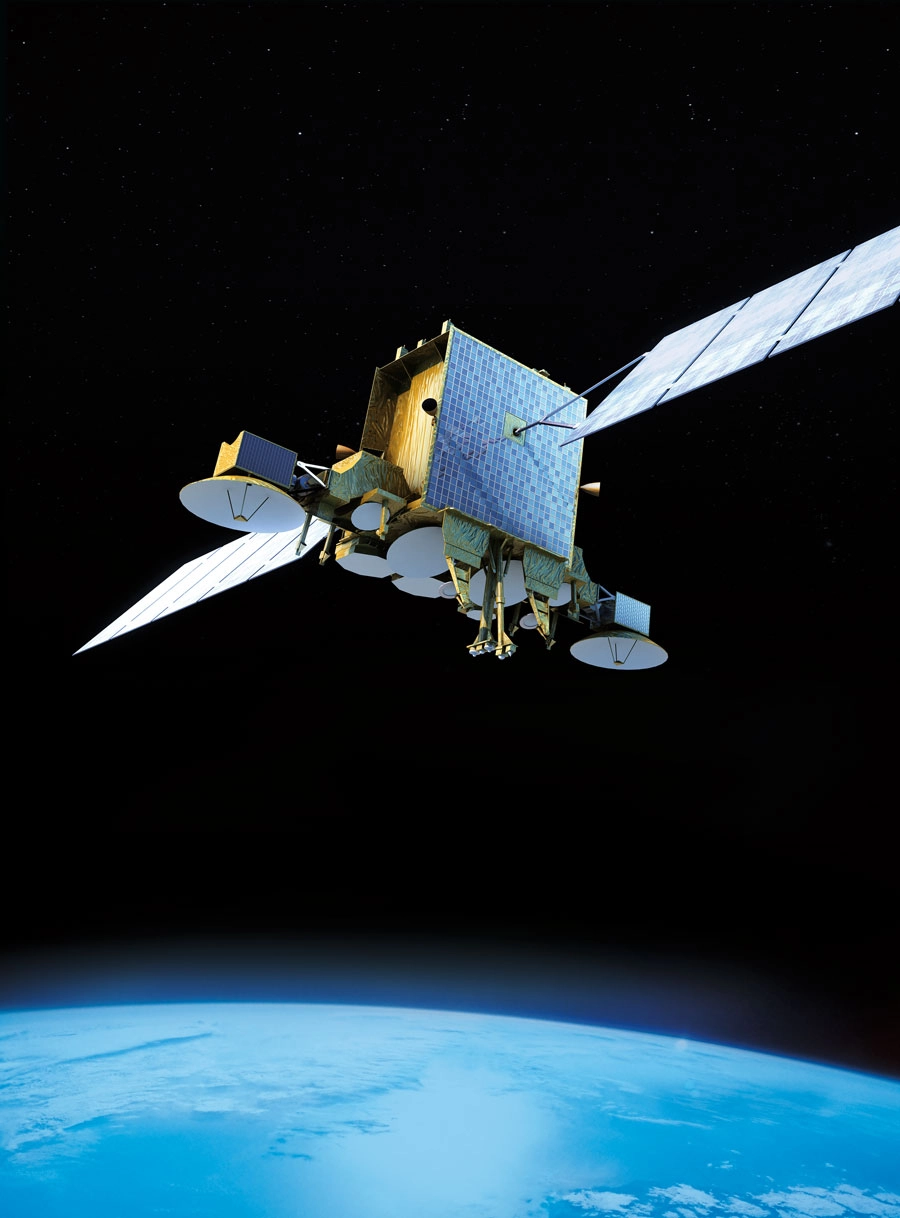
A satellite is an artificial object launched into space to orbit a planet or other celestial body. Satellites are used for a wide range of applications, including:
-
Television and radio broadcasting
-
Internet and telecommunication
-
GPS and global navigation
-
Military reconnaissance
-
Weather forecasting and climate research
-
Earth observation and scientific exploration
🧭 Types of Satellite Orbits
Satellites orbit the Earth at different heights depending on their mission. The three main types of satellite orbits are:
1. LEO – Low Earth Orbit (160 km – 2,000 km)
-
Orbits Earth in 90–120 minutes
-
Used for: internet (e.g., Starlink), Earth imaging, space stations (ISS)
-
Low latency and high resolution
-
Requires many satellites for global coverage
2. MEO – Medium Earth Orbit (2,000 km – 35,786 km)
-
Orbits Earth in 2–12 hours
-
Used for: GPS, GLONASS, Galileo navigation systems
-
Balanced latency and coverage
-
Fewer satellites needed than LEO
3. GEO – Geostationary Orbit (35,786 km)
-
Remains fixed over one location on the equator
-
Orbits the Earth in 24 hours (same as Earth’s rotation)
-
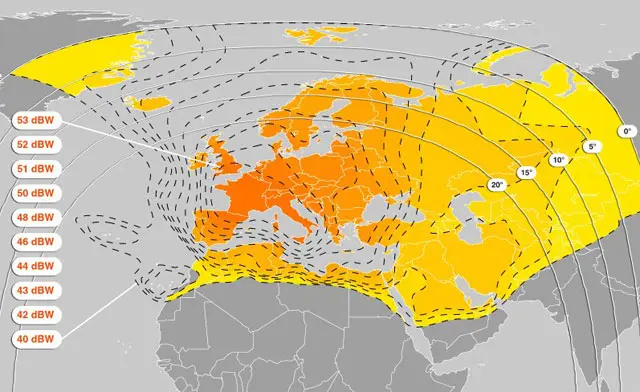
Used for: TV broadcasting (e.g., Nilesat, Hotbird), communications, weather satellites
-
Provides constant coverage of a large area
-
Higher latency but ideal for broadcasting
📡 How to Receive Satellite Signals at Home
To watch satellite TV or receive satellite data, you need a satellite reception system. Here’s how it works:
🧰 Essential Components:
| Component | Function |
|---|---|
| Satellite Dish | Captures signals from the satellite and reflects them to the LNB |
| LNB (Low-Noise Block) | Converts and amplifies signals from the satellite into usable frequencies |
| Receiver (Decoder) | Translates satellite signals into video/audio or data |
| TV or Monitor | Displays the content |
🛰️ Steps to Receive a Satellite Signal:
-
Choose the Right Satellite:
Example: Hotbird (13°E), Nilesat (7°W), Astra (19.2°E) -
Position the Dish:
-
Use a compass or satellite finder to align the dish to the satellite’s position.
-
Adjust azimuth (left/right), elevation (up/down), and skew (LNB tilt).
-
Fine-tune the signal using a signal meter or the receiver’s signal strength screen.
-
-
Connect the Equipment:
-
Connect LNB to the receiver using a coaxial cable.
-
Connect the receiver to your TV using HDMI or AV cables.
-
-
Scan for Channels:
-
Use your receiver’s menu to scan transponders or manually enter frequency settings.
-
Example:
-
- Save Channels and Enjoy!
💡 Tips for Better Signal Quality:
-
Use a high-quality dish (at least 60–80 cm for most satellites).
-
Ensure there are no obstacles (trees, buildings) between the dish and the sky.
-
Secure the dish firmly to avoid movement due to wind.
-
Weather can affect signal—especially heavy rain (known as rain fade).
🛰️ Popular Broadcasting Satellites:
| Satellite Name | Orbital Position | Usage |
|---|---|---|
| Nilesat | 7° West | Arabic and African channels |
| Hotbird | 13° East | European and some Arabic TV |
| Astra 19.2°E | 19.2° East | Western European channels |
| Galaxy 19 | 97° West | North American international TV |
Proper dish alignment and high-quality equipment play a crucial role in achieving strong signal reception. When both technical data and physical installation are optimized, the overall performance improves significantly.
By combining correct tuning with regular equipment maintenance, viewers can maintain reliable access to all their favorite channels without interruptions.
Receivers depend on precise tuning to decode signals correctly. Entering the right frequency, symbol rate, and polarization ensures smooth channel scanning and strong reception.
Manual tuning remains the most accurate method for restoring channels after frequency changes. It guarantees that the receiver captures all updated transponders without missing important adjustments.
Physical installation quality—such as dish alignment and cable maintenance—also affects signal performance. A stable setup significantly reduces interference and signal drops.
To keep viewers informed, Sat Update provides reliable and constantly updated frequency lists, helping users maintain a flawless viewing experience.
By practicing correct configuration steps, users gain confidence in managing their receivers independently. This reduces the need for external support and ensures a stable connection to every desired channel. A little attention to detail results in long-term broadcast stability.
Accurate tuning remains the key to resolving most reception issues. Entering the correct values for frequency, symbol rate, and FEC ensures that the signal is decoded efficiently and with minimal errors.
Dish alignment and cable quality also influence performance. Even a slight misalignment can reduce signal strength, while poor cabling may cause interference or frequent drops.
Routine inspection of the dish, LNB, and connectors adds further stability to the system, ensuring that the viewer receives the strongest possible signal.
By combining updated frequency information with careful system setup, users can enjoy uninterrupted broadcasting and long-lasting signal reliability.
Taking the time to review updated transponder information ensures that every channel operates at maximum efficiency. With each adjustment, users gain a smoother, more dependable viewing environment. Consistent tuning is the foundation of a solid satellite setup.
At the same time, continuous awareness of new transponder changes allows users to adapt quickly. This proactive approach eliminates frustration caused by missing channels and helps maintain reliable access to daily programs. The right information at the right time makes all the difference.
Regularly checking for new parameters empowers users to remain in full control of their viewing setup. This habit not only enhances signal reliability but also ensures better picture and audio quality across all channels. Staying informed means staying connected.
At the same time, continuous awareness of new transponder changes allows users to adapt quickly. This proactive approach eliminates frustration caused by missing channels and helps maintain reliable access to daily programs. The right information at the right time makes all the difference.