Correctly entering parameters such as frequency, symbol rate, and FEC helps ensure strong and stable signal reception. Users who rely on accurate data can avoid common issues like pixelation, weak signals, or channel loss.
Dish alignment also plays a major role in maintaining signal strength. Even with the right settings, misalignment can reduce performance significantly.
Thanks to platforms like Sat Update, viewers have easy access to current frequency details, making the tuning process faster and more reliable.
Receiver tuning remains the foundation of signal stability. Accurate frequency input, along with proper symbol rate and polarization settings, allows the device to decode signals efficiently. Errors in these parameters lead to missing channels or weak reception.
Modern receivers support automatic scanning, but manual tuning remains the most precise method, especially when dealing with newly updated frequencies. It ensures that all transponder changes are captured effectively.
Dish alignment is another crucial factor. A well-positioned dish captures the satellite signal with maximum strength, reducing interference and ensuring consistent performance.
By combining proper tuning, updated frequency knowledge, and quality installation, viewers enjoy a superior satellite experience with crystal-clear reception.
Accurate tuning of the receiver ensures that every channel loads correctly, especially when entering values like frequency, polarization, and symbol rate. Even minor mistakes can lead to weak signals or missing channels.
With the reliable updates provided by Sat Update, viewers can quickly access the latest frequency information and adjust their receivers with confidence, ensuring seamless access to all broadcasts.
Correct tuning of the receiver, including setting the right frequency, polarization, and symbol rate, remains essential for smooth reception. Small mistakes in these values often lead to weak signals or missing channels, making accurate data crucial.
With proper dish alignment and well-maintained cabling, viewers can significantly enhance signal strength and stability. When both technical updates and physical setup are optimized, the satellite viewing experience becomes seamless and enjoyable.
Updated frequencies allow channels to enhance broadcast quality, reduce interference, and expand their reach. However, these improvements require users to adjust their receivers accordingly to maintain smooth viewing.
Precise tuning of the receiver ensures that every parameter is aligned with the satellite’s updated signal. Frequency, symbol rate, polarization, and FEC must be entered with accuracy to avoid missing channels or experiencing unstable reception.
Automatic scanning features may help locate some channels, but manual tuning remains the best method for handling fresh updates. It ensures complete accuracy and prevents the receiver from skipping newly adjusted transponders.
Dish alignment plays a major role in capturing strong signals. Even slight movements caused by wind or installation issues can reduce signal stability. Regular adjustments help maintain optimal performance.
High-quality cabling, secure connectors, and proper grounding further enhance reception by minimizing signal loss and interference.
Routine system maintenance, including cleaning the LNB and checking alignment, also contributes to long-term stability.
By combining updated frequency knowledge with effective installation practices, viewers achieve a superior satellite experience with reliable, high-quality broadcasting.
Viewers who stay updated with frequency changes can avoid sudden channel loss and enjoy uninterrupted entertainment. Updated technical data ensures that receivers remain synchronized with the latest broadcast signals.
The accuracy of receiver settings plays a central role in maintaining channel stability. Frequency, symbol rate, and FEC values must be entered precisely to prevent decoding errors.
Proper dish alignment is equally important. Even small deviations in angle or elevation can cause major reception issues, especially during bad weather.
Using sturdy cables and high-quality connectors also enhances signal flow and reduces interference.
With dependable information from Sat Update, users can adjust their systems efficiently and ensure a high-performance satellite viewing experience.
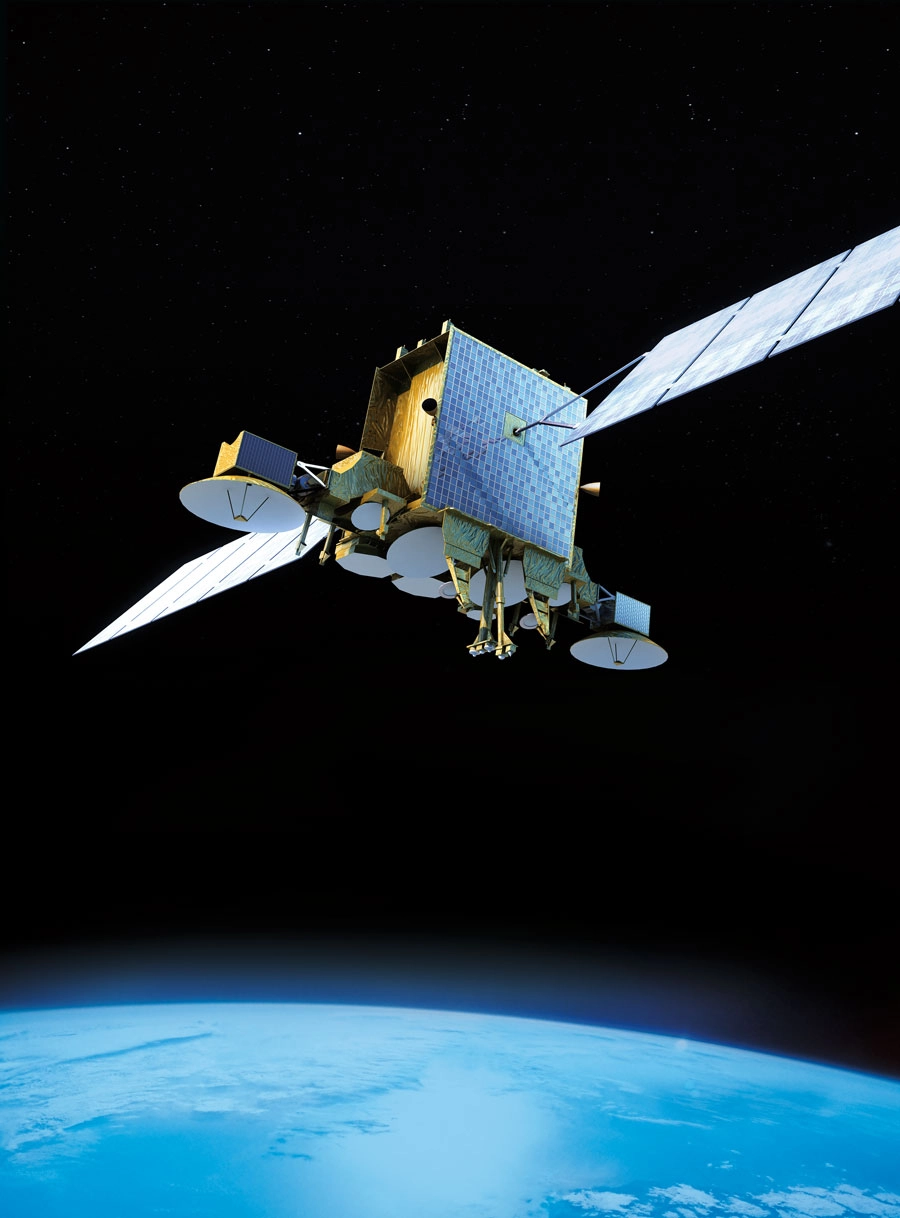
Nilesat is one of the most important communication satellites in the Middle East and North Africa (MENA) region. Since its launch in 1998, it has become the backbone of satellite broadcasting in the region, offering a wide range of services including television, radio, and internet. Known for its extensive coverage and reliability, Nilesat plays a crucial role in connecting millions of viewers, businesses, and institutions across the Arab world.
🚀 On the subject of Nilesat
Nilesat, operated by the Egyptian company Nilesat Satellite Communications, provides satellite broadcasting services to a wide range of customers across the Middle East, North Africa, and parts of Europe. The satellite allows for the transmission of television and radio signals, as well as data and internet services.
Nilesat’s fleet of satellites serves multiple purposes:
-
Broadcasting TV channels: Free-to-air and subscription-based channels.
-
Radio broadcasting: National and regional radio stations.
-
Data services: Internet access and other telecommunication services.
-
Corporate communications: For businesses and institutions requiring dedicated communication lines.
With several satellites in orbit, including Nilesat 101, Nilesat 102, and the more recent Nilesat 201, the network continues to grow in capacity and service offerings.
🌐 Nilesat’s Satellite Fleet
Nilesat operates a fleet of geostationary satellites positioned to serve the MENA region and beyond. These satellites are carefully positioned to provide the best possible signal coverage. Key satellites in the fleet include:
-
Nilesat 101
-
Nilesat 102
-
Nilesat 201
-
Nilesat 301 (upcoming)
These satellites are strategically placed to ensure seamless coverage for broadcasting TV channels, radio stations, and other telecommunication services.
🛰️ Frequencies and Services on Nilesat
Nilesat operates across various frequency bands, including the C-band and Ku-band. These frequencies are used for various services:
-
C-band: Primarily used for long-range communication and broadcasting, C-band offers a stable signal with less interference from weather conditions. It’s commonly used for television broadcasting.
-
Ku-band: This band is widely used for satellite TV broadcasting and internet services. The Ku-band offers higher capacity and smaller antennas, making it ideal for both residential and commercial use.
Nilesat also provides a variety of frequency ranges that enable users to access a broad array of channels and services. Users looking to set up satellite systems can find detailed guides to help them tune in to the correct frequencies.
📡 How to Receive Nilesat Signals
To access Nilesat’s satellite signals, users need a satellite dish and a receiver that supports the appropriate frequency bands (C-band or Ku-band).
The dish must be correctly aligned with the satellite’s orbital position for optimal signal reception. Once the dish is set up, users can enter the corresponding frequency in their receiver to access the desired channels.
Common Nilesat Frequencies:
-
Nilesat 101/102 Frequency:
-
Frequency: 11.977 GHz (Vertical)
-
Symbol Rate: 27500
-
FEC: 3/4
-
-
Nilesat 201 Frequency:
-
Frequency: 12.515 GHz (Horizontal)
-
Symbol Rate: 27500
-
FEC: 3/4
-
Users can access various TV channels, radio stations, and data services on these frequencies.
For easy access to these frequencies and satellite configurations, FreqSatellite is a reliable platform offering up-to-date information on Nilesat’s channels, frequencies, and settings.
Nilesat remains a vital asset for satellite communications and broadcasting in the Arab world.
With its broad coverage, extensive services, and reliable signal quality, it is a key player in delivering television, radio, and internet services to millions of people in the MENA region.
Whether you’re looking to set up a satellite system for personal or commercial use, Nilesat continues to provide top-notch services. For more information on frequencies and satellite settings, FreqSatellite offers the most comprehensive and current satellite guides.
Accurate tuning remains the key to resolving most reception issues. Entering the correct values for frequency, symbol rate, and FEC ensures that the signal is decoded efficiently and with minimal errors.
Dish alignment and cable quality also influence performance. Even a slight misalignment can reduce signal strength, while poor cabling may cause interference or frequent drops.
Routine inspection of the dish, LNB, and connectors adds further stability to the system, ensuring that the viewer receives the strongest possible signal.
By combining updated frequency information with careful system setup, users can enjoy uninterrupted broadcasting and long-lasting signal reliability.
Correctly adjusting the receiver remains an important step in maintaining smooth reception. Frequency, symbol rate, and FEC values must all be entered precisely to ensure proper decoding of the signal.
Manual tuning is particularly useful when dealing with new or recently modified frequencies, as it ensures no transponder is overlooked during channel scanning.
The physical installation of the dish contributes just as much to signal reliability. Proper alignment, elevation adjustments, and secure mounting all help maintain strong and consistent reception.
High-quality cables and connectors improve signal flow, reduce interference, and prevent losses caused by aging or damaged wiring.
Routine checks on the LNB, dish alignment, and receiver settings extend the system’s lifespan and ensure ongoing stability.
By combining all these elements, viewers can enjoy unmatched clarity and a consistently reliable satellite broadcasting experience.
Accurate receiver configuration plays a major role in restoring channels after any frequency changes. Properly setting the frequency, polarization, and symbol rate ensures the highest level of clarity and signal strength.
Manual tuning often produces better results than automatic scanning, especially when handling recently updated transponders. It gives users greater control and precision over their settings.
Dish alignment is equally important. A properly positioned dish captures the satellite beam more effectively, reducing the chances of pixelation or sudden signal loss.
Maintaining quality cables and connectors also contributes to stable reception, as poor wiring can disrupt even the strongest signals.
With accurate tuning, careful installation, and routine maintenance, viewers can achieve a reliable and optimized satellite viewing experience.
By practicing correct configuration steps, users gain confidence in managing their receivers independently. This reduces the need for external support and ensures a stable connection to every desired channel. A little attention to detail results in long-term broadcast stability.
At the same time, continuous awareness of new transponder changes allows users to adapt quickly. This proactive approach eliminates frustration caused by missing channels and helps maintain reliable access to daily programs. The right information at the right time makes all the difference.
Developing familiarity with tuning procedures gives users greater independence when handling their equipment. This practical knowledge reduces downtime and ensures that each channel performs as intended. Ultimately, staying prepared guarantees uninterrupted access to all preferred content.
Accurate receiver configuration plays a major role in restoring channels after any frequency changes. Properly setting the frequency, polarization, and symbol rate ensures the highest level of clarity and signal strength.
Manual tuning often produces better results than automatic scanning, especially when handling recently updated transponders. It gives users greater control and precision over their settings.
Dish alignment is equally important. A properly positioned dish captures the satellite beam more effectively, reducing the chances of pixelation or sudden signal loss.
Maintaining quality cables and connectors also contributes to stable reception, as poor wiring can disrupt even the strongest signals.
With accurate tuning, careful installation, and routine maintenance, viewers can achieve a reliable and optimized satellite viewing experience.