Entering the correct receiver parameters is vital for decoding the updated signal. Frequency values, symbol rate, and FEC must be adjusted precisely to avoid losing channels during scanning or experiencing signal drops.
In addition to digital configuration, the physical installation of the satellite dish plays a major role in maintaining strong reception. Proper alignment helps capture the satellite beam accurately, boosting signal stability.
When viewers combine accurate frequency information with high-quality installation practices, they achieve a reliable satellite viewing experience free from interruptions.
Entering the correct receiver parameters is vital for decoding the updated signal. Frequency values, symbol rate, and FEC must be adjusted precisely to avoid losing channels during scanning or experiencing signal drops.
In addition to digital configuration, the physical installation of the satellite dish plays a major role in maintaining strong reception. Proper alignment helps capture the satellite beam accurately, boosting signal stability.
When viewers combine accurate frequency information with high-quality installation practices, they achieve a reliable satellite viewing experience free from interruptions.
Accurate frequency data ensures that users can maintain uninterrupted access to channels. Each parameter—frequency, polarization, symbol rate, and FEC—plays a significant role in signal stability and must be entered correctly.
Receiver errors often happen when outdated frequencies are used. Viewers who rely on updated information can quickly restore channels and avoid unnecessary scanning.
Dish alignment is equally important. Even with correct frequencies, a misaligned dish can cause signal drops, pixelation, or complete loss of channels. Ensuring proper alignment improves overall reliability.
High-quality cables and connectors further enhance performance by minimizing interference and preventing data loss during transmission.
When these technical and physical elements are combined, viewers enjoy a fully optimized satellite experience with smooth and uninterrupted broadcasting.
Correct tuning of the receiver, including setting the right frequency, polarization, and symbol rate, remains essential for smooth reception. Small mistakes in these values often lead to weak signals or missing channels, making accurate data crucial.
With proper dish alignment and well-maintained cabling, viewers can significantly enhance signal strength and stability. When both technical updates and physical setup are optimized, the satellite viewing experience becomes seamless and enjoyable.
Accurate tuning of the receiver ensures that every channel loads correctly, especially when entering values like frequency, polarization, and symbol rate. Even minor mistakes can lead to weak signals or missing channels.
With the reliable updates provided by Sat Update, viewers can quickly access the latest frequency information and adjust their receivers with confidence, ensuring seamless access to all broadcasts.
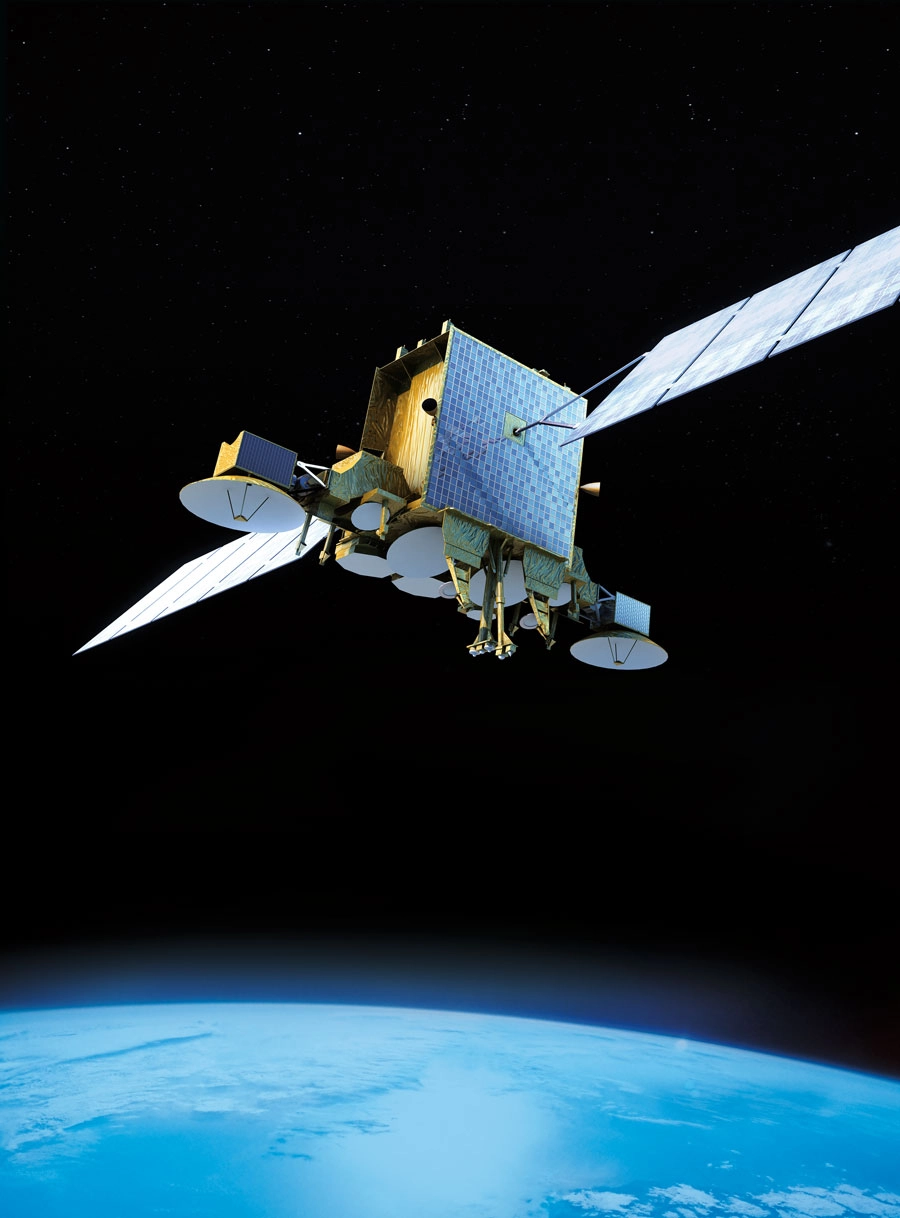
ArabSat is one of the most prominent communication satellites in the Arab world, providing vital services across the Middle East, North Africa, and Europe. Since its launch in 1985, ArabSat has revolutionized satellite television, radio broadcasting, and telecommunications in the region.
With its strategic position in space, ArabSat has become an essential platform for delivering high-quality services to millions of viewers and businesses.
🚀 On the subject of ArabSat
ArabSat is owned by the Arab States Broadcasting Union (ASBU) and serves as a regional hub for satellite communications. It provides a wide range of services including:
-
Satellite TV and radio broadcasting
-
Telecommunications
-
Internet services
-
Corporate communications
ArabSat has been key in connecting countries across the Arab world and delivering content from both local and international broadcasters. The satellite is known for its reliability and vast coverage, offering seamless connectivity in urban and remote areas alike.
🌐 ArabSat’s Satellite Fleet
ArabSat operates a fleet of satellites positioned at various orbital slots. These satellites are strategically placed to ensure optimal coverage across the Middle East, North Africa, and parts of Europe. The fleet includes:
-
ArabSat 6A
-
ArabSat 5C
-
ArabSat 4B
-
ArabSat 4A
-
ArabSat 2 (and more)
Each satellite is equipped with high-powered transponders that enable broadcast services, including high-definition (HD) television, radio channels, and internet connectivity.
🛰️ Frequencies and Services on ArabSat
ArabSat offers a wide range of frequencies across different bands, including C-band, Ku-band, and Ka-band. These frequencies are used for:
-
TV and radio channels
-
Internet and data transmission
-
Private corporate communication networks
The specific frequencies used for different services can vary depending on the location of the user, and ArabSat offers detailed guidelines on how to access its channels and services through the appropriate frequencies.
For viewers and users who want to find the right frequencies for their satellite equipment, FreqSatellite is the perfect platform. FreqSatellite provides a detailed guide on ArabSat frequencies, helping users access satellite TV channels, radio stations, and communication services easily.
📡 How to Receive ArabSat Signals
To access ArabSat’s signals, users must have a satellite dish installed and properly aligned to the satellite’s position. The most common frequencies used for ArabSat TV and radio services include:
-
C-band: Typically used for long-range communication and high-quality television broadcasts.
-
Ku-band: Often used for regional TV broadcasting, offering high-definition channels.
-
Ka-band: Used for higher bandwidth services, including satellite internet.
By following the frequency guidelines available on FreqSatellite, users can ensure that their satellite systems are tuned to the correct frequencies to receive the best possible service.
ArabSat continues to play a pivotal role in the communication and broadcasting landscape of the Arab world. Its reliable services and wide coverage make it an indispensable tool for viewers, broadcasters, and businesses across the region. If you want to access ArabSat’s satellite channels or learn more On the subject of its frequencies, FreqSatellite is your go-to resource for all the information you need.
Regularly checking for new parameters empowers users to remain in full control of their viewing setup. This habit not only enhances signal reliability but also ensures better picture and audio quality across all channels. Staying informed means staying connected.
Correctly adjusting the receiver remains an important step in maintaining smooth reception. Frequency, symbol rate, and FEC values must all be entered precisely to ensure proper decoding of the signal.
Manual tuning is particularly useful when dealing with new or recently modified frequencies, as it ensures no transponder is overlooked during channel scanning.
The physical installation of the dish contributes just as much to signal reliability. Proper alignment, elevation adjustments, and secure mounting all help maintain strong and consistent reception.
High-quality cables and connectors improve signal flow, reduce interference, and prevent losses caused by aging or damaged wiring.
Routine checks on the LNB, dish alignment, and receiver settings extend the system’s lifespan and ensure ongoing stability.
By combining all these elements, viewers can enjoy unmatched clarity and a consistently reliable satellite broadcasting experience.
By practicing correct configuration steps, users gain confidence in managing their receivers independently. This reduces the need for external support and ensures a stable connection to every desired channel. A little attention to detail results in long-term broadcast stability.
By practicing correct configuration steps, users gain confidence in managing their receivers independently. This reduces the need for external support and ensures a stable connection to every desired channel. A little attention to detail results in long-term broadcast stability.
At the same time, continuous awareness of new transponder changes allows users to adapt quickly. This proactive approach eliminates frustration caused by missing channels and helps maintain reliable access to daily programs. The right information at the right time makes all the difference.
Developing familiarity with tuning procedures gives users greater independence when handling their equipment. This practical knowledge reduces downtime and ensures that each channel performs as intended. Ultimately, staying prepared guarantees uninterrupted access to all preferred content.
At the same time, continuous awareness of new transponder changes allows users to adapt quickly. This proactive approach eliminates frustration caused by missing channels and helps maintain reliable access to daily programs. The right information at the right time makes all the difference.
Correctly adjusting the receiver remains an important step in maintaining smooth reception. Frequency, symbol rate, and FEC values must all be entered precisely to ensure proper decoding of the signal.
Manual tuning is particularly useful when dealing with new or recently modified frequencies, as it ensures no transponder is overlooked during channel scanning.
The physical installation of the dish contributes just as much to signal reliability. Proper alignment, elevation adjustments, and secure mounting all help maintain strong and consistent reception.
High-quality cables and connectors improve signal flow, reduce interference, and prevent losses caused by aging or damaged wiring.
Routine checks on the LNB, dish alignment, and receiver settings extend the system’s lifespan and ensure ongoing stability.
By combining all these elements, viewers can enjoy unmatched clarity and a consistently reliable satellite broadcasting experience.