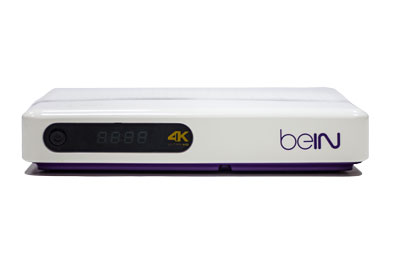
Updated frequencies allow channels to enhance broadcast quality, reduce interference, and expand their reach. However, these improvements require users to adjust their receivers accordingly to maintain smooth viewing.
Precise tuning of the receiver ensures that every parameter is aligned with the satellite’s updated signal. Frequency, symbol rate, polarization, and FEC must be entered with accuracy to avoid missing channels or experiencing unstable reception.
Automatic scanning features may help locate some channels, but manual tuning remains the best method for handling fresh updates. It ensures complete accuracy and prevents the receiver from skipping newly adjusted transponders.
Dish alignment plays a major role in capturing strong signals. Even slight movements caused by wind or installation issues can reduce signal stability. Regular adjustments help maintain optimal performance.
High-quality cabling, secure connectors, and proper grounding further enhance reception by minimizing signal loss and interference.
Routine system maintenance, including cleaning the LNB and checking alignment, also contributes to long-term stability.
By combining updated frequency knowledge with effective installation practices, viewers achieve a superior satellite experience with reliable, high-quality broadcasting.
Correctly entering parameters such as frequency, symbol rate, and FEC helps ensure strong and stable signal reception. Users who rely on accurate data can avoid common issues like pixelation, weak signals, or channel loss.
Dish alignment also plays a major role in maintaining signal strength. Even with the right settings, misalignment can reduce performance significantly.
Thanks to platforms like Sat Update, viewers have easy access to current frequency details, making the tuning process faster and more reliable.
Correctly tuning receiver settings remains the foundation of strong and stable signal performance. Whether adjusting the frequency, symbol rate, or FEC value, each parameter directly affects picture clarity and overall viewing quality. When users have access to precise data, they can avoid common issues such as weak signals, missing channels, or pixelated images.
Beyond digital parameters, the physical installation of the satellite system significantly influences the success of channel reception. Proper dish alignment, secure mounting, and high-quality cabling all contribute to enhanced signal strength and long-term reliability. These elements work collectively to ensure consistent access to all broadcasts.
By combining accurate frequency updates with reliable technical installation, viewers can enjoy a seamless satellite experience without interruptions. With the support of trusted sources like Sat Update, users gain the confidence and knowledge needed to optimize their systems and maintain high-performance reception at all times.
Accurate tuning of the receiver ensures that every channel loads correctly, especially when entering values like frequency, polarization, and symbol rate. Even minor mistakes can lead to weak signals or missing channels.
With the reliable updates provided by Sat Update, viewers can quickly access the latest frequency information and adjust their receivers with confidence, ensuring seamless access to all broadcasts.
Entering the correct receiver parameters is vital for decoding the updated signal. Frequency values, symbol rate, and FEC must be adjusted precisely to avoid losing channels during scanning or experiencing signal drops.
In addition to digital configuration, the physical installation of the satellite dish plays a major role in maintaining strong reception. Proper alignment helps capture the satellite beam accurately, boosting signal stability.
When viewers combine accurate frequency information with high-quality installation practices, they achieve a reliable satellite viewing experience free from interruptions.
Spacetoon is a leading children’s television channel in the Arab world, renowned for its engaging blend of anime, cartoons, and educational content tailored for young viewers.
Launched in 2000 by Spacetoon International, headquartered in Dubai, United Arab Emirates, the channel has become a household favorite across the Middle East and North Africa.
Spacetoon specializes in Arabic-dubbed anime and family-friendly programs, making it a trusted choice for parents and a delight for kids aged 3 to 15.
Broadcasting free-to-air on multiple satellites, Spacetoon ensures wide accessibility. This article provides the correct satellite frequencies for Spacetoon, along with reception tips, receiver setup steps, and an overview of its most popular programs, helping you tune in to this beloved channel.
On the subject of Spacetoon
Since its debut, Spacetoon has captured the hearts of millions with its diverse and high-quality content.
Targeting children and young teens, the channel offers a mix of Japanese anime, Western cartoons, and educational shows, all carefully dubbed in Arabic to suit the region’s cultural values.
Spacetoon organizes its programming into virtual “planets” (e.g., Action Planet, Adventure Planet), each catering to different interests and age groups.
This unique approach, combined with its focus on safe, value-driven content, has made Spacetoon a standout in children’s entertainment.
Its free-to-air availability and commitment to professional dubbing ensure it remains a top choice for families seeking wholesome viewing options.
Spacetoon Frequencies on All Satellites
To tune into Spacetoon, you need the correct frequency, polarization, symbol rate, and FEC (Forward Error Correction) settings for your satellite receiver. Below are the verified frequencies for Spacetoon on major satellites as of June 2025, based on reliable sources:
Nilesat 201/Eutelsat 7 West A (7.0° West)
-
Frequency: 11785 MHz
-
Polarization: Vertical (V)
-
Symbol Rate: 27500 kS/s
-
FEC: 3/4
-
Beam: Middle East and North Africa
Arabsat Badr 4/5/6 (26.0° East)
-
Frequency: 11766 MHz
-
Polarization: Horizontal (H)
-
Symbol Rate: 27500 kS/s
-
FEC: 3/4
-
Beam: Middle East and North-West Africa
Additional Notes
-
Absence on Other Satellites: Spacetoon is not currently available on satellites like Hotbird (13.0° East) or Astra (19.2° East), as it primarily targets the MENA region via Nilesat and Arabsat.
-
Frequency Verification: Frequencies may change over time, so check trusted sources like www.lyngsat.com or www.satbeams.com for updates.
-
Outside MENA: Viewers in Europe, Asia, or the Americas may not have direct satellite access to Spacetoon. Check with local providers for retransmission options or use the Shahid streaming platform for online access.
Tips for Receiving Spacetoon
To ensure a clear and stable signal for Spacetoon, follow these practical reception tips:
-
Choose the Right Dish Size: A 60-80 cm dish is sufficient for Nilesat and Arabsat in the MENA region. In fringe areas (e.g., southern Africa or northern Europe), a 100-120 cm dish may be needed for reliable reception.
-
Align the Dish Accurately: Use a satellite finder tool or app (e.g., SatFinder or DishPointer) to point your dish toward the target satellite (Nilesat at 7.0° West or Arabsat at 26.0° East). Ensure no obstructions, such as trees or buildings, block the signal path.
-
Select a Compatible LNB: Use a Universal Ku-band LNB with local oscillator frequencies of 9.75 GHz (low band) and 10.6 GHz (high band). For multi-receiver setups, opt for a Twin or Quad LNB with a multiswitch.
-
Monitor Signal Quality: Check the signal strength and quality on your receiver’s setup menu. Aim for at least 70% signal quality to avoid pixelation or signal loss.
-
Account for Weather: Heavy rain or storms can affect Ku-band signals. Secure your dish to withstand wind and ensure proper installation to minimize disruptions.
-
Verify Satellite Coverage: Confirm your location is within the satellite’s footprint using coverage maps on www.dishpointer.com or www.satbeams.com.
Steps to Configure Spacetoon on Your Receiver
Follow these steps to manually add Spacetoon to your satellite receiver:
-
Access the Setup Menu: Using your receiver’s remote, navigate to the “Installation,” “Setup,” or “Channel Search” menu.
-
Select Manual Search: Choose “Manual Scan” or “Manual Installation” to enter custom transponder settings.
-
Choose the Satellite: Select the appropriate satellite (e.g., Nilesat 201 or Arabsat Badr 4/5/6) from the list.
-
Enter Transponder Details:
-
Frequency (e.g., 11785 MHz for Nilesat).
-
Polarization (Vertical or Horizontal).
-
Symbol Rate (e.g., 27500 kS/s).
-
FEC (e.g., 3/4).
-
-
Initiate the Scan: Press “Scan” or “Search” to locate channels on the specified transponder. Spacetoon should appear in the results.
-
Save the Channels: Confirm and save the scanned channels to your receiver’s channel list.
-
Fine-Tune the Dish: If the signal is weak or the channel doesn’t appear, adjust the dish’s azimuth and elevation slightly while monitoring the signal meter.
-
Test the Broadcast: Tune to Spacetoon to ensure it’s broadcasting clearly. If issues persist, recheck the settings or consult a professional installer.
For model-specific instructions, refer to your receiver’s user manual, as menu options may vary across brands like Strong, Humax, or Technisat.
Spacetoon’s Programming and Top Shows
Spacetoon offers a vibrant mix of entertainment and educational content, focusing on Arabic-dubbed anime and cartoons. Its programming is organized into thematic “planets” like Action Planet and Adventure Planet, catering to various age groups and interests. Below are highlights of its most popular shows and Content divisions:
Top Shows
-
Detective Conan: A beloved anime series following the adventures of young detective Shinichi Kudo, solving complex mysteries, and a fan favorite for its gripping storytelling.
-
One Piece: An epic pirate adventure centered on Monkey D. Luffy and his crew’s quest for the legendary One Piece treasure, loved for its action-packed narrative.
-
Naruto: Chronicles the journey of ninja Naruto Uzumaki as he strives to become the leader of his village, appealing to teens with its themes of perseverance.
-
Yu-Gi-Oh!: A strategic card game anime filled with duels and adventure, popular among young fans of competitive gaming.
-
Tom and Jerry: The classic cat-and-mouse cartoon, delivering timeless humor suitable for younger children.
Content divisions
-
Dubbed Anime: Includes Japanese series like Dragon Ball and Hunter × Hunter, professionally dubbed in Arabic for cultural relevance.
-
Educational Programs: Shows like Science Planet teach children On the subject of science and math in an engaging, interactive format.
-
Classic Cartoons: Features global hits like Scooby-Doo, tailored for younger audiences.
-
Interactive Content: Spacetoon encourages viewer participation through online games, competitions, and activities via its website (www.spacetoon.com).
-
Animated Movies: Airs anime and cartoon films during holidays, such as Studio Ghibli classics or Disney features.
Spacetoon’s schedule is designed to align with children’s viewing habits, with morning programs for younger kids and evening slots for teens. Its commitment to safe, culturally appropriate content makes it a trusted choice for parents.
Spacetoon remains a cornerstone of children’s entertainment in the Arab world, offering a delightful mix of anime, cartoons, and educational programs.
With its free-to-air broadcasts on satellites like Nilesat and Arabsat, accessing Spacetoon is straightforward using the correct frequencies provided above. By following the reception tips and receiver setup steps, you can enjoy crystal-clear broadcasts of shows like Detective Conan and One Piece.
Whether you’re a parent seeking quality content for your kids or an anime enthusiast, Spacetoon delivers an engaging and wholesome viewing experience.
Stay updated with the latest frequencies and dive into the enchanting world of Spacetoon today!
At the same time, continuous awareness of new transponder changes allows users to adapt quickly. This proactive approach eliminates frustration caused by missing channels and helps maintain reliable access to daily programs. The right information at the right time makes all the difference.
Correctly adjusting the receiver remains an important step in maintaining smooth reception. Frequency, symbol rate, and FEC values must all be entered precisely to ensure proper decoding of the signal.
Manual tuning is particularly useful when dealing with new or recently modified frequencies, as it ensures no transponder is overlooked during channel scanning.
The physical installation of the dish contributes just as much to signal reliability. Proper alignment, elevation adjustments, and secure mounting all help maintain strong and consistent reception.
High-quality cables and connectors improve signal flow, reduce interference, and prevent losses caused by aging or damaged wiring.
Routine checks on the LNB, dish alignment, and receiver settings extend the system’s lifespan and ensure ongoing stability.
By combining all these elements, viewers can enjoy unmatched clarity and a consistently reliable satellite broadcasting experience.
Proper dish alignment and high-quality equipment play a crucial role in achieving strong signal reception. When both technical data and physical installation are optimized, the overall performance improves significantly.
By combining correct tuning with regular equipment maintenance, viewers can maintain reliable access to all their favorite channels without interruptions.
Taking the time to review updated transponder information ensures that every channel operates at maximum efficiency. With each adjustment, users gain a smoother, more dependable viewing environment. Consistent tuning is the foundation of a solid satellite setup.
Accurate tuning remains the key to resolving most reception issues. Entering the correct values for frequency, symbol rate, and FEC ensures that the signal is decoded efficiently and with minimal errors.
Dish alignment and cable quality also influence performance. Even a slight misalignment can reduce signal strength, while poor cabling may cause interference or frequent drops.
Routine inspection of the dish, LNB, and connectors adds further stability to the system, ensuring that the viewer receives the strongest possible signal.
By combining updated frequency information with careful system setup, users can enjoy uninterrupted broadcasting and long-lasting signal reliability.
Correctly adjusting the receiver remains an important step in maintaining smooth reception. Frequency, symbol rate, and FEC values must all be entered precisely to ensure proper decoding of the signal.
Manual tuning is particularly useful when dealing with new or recently modified frequencies, as it ensures no transponder is overlooked during channel scanning.
The physical installation of the dish contributes just as much to signal reliability. Proper alignment, elevation adjustments, and secure mounting all help maintain strong and consistent reception.
High-quality cables and connectors improve signal flow, reduce interference, and prevent losses caused by aging or damaged wiring.
Routine checks on the LNB, dish alignment, and receiver settings extend the system’s lifespan and ensure ongoing stability.
By combining all these elements, viewers can enjoy unmatched clarity and a consistently reliable satellite broadcasting experience.
Accurate tuning remains the key to resolving most reception issues. Entering the correct values for frequency, symbol rate, and FEC ensures that the signal is decoded efficiently and with minimal errors.
Dish alignment and cable quality also influence performance. Even a slight misalignment can reduce signal strength, while poor cabling may cause interference or frequent drops.
Routine inspection of the dish, LNB, and connectors adds further stability to the system, ensuring that the viewer receives the strongest possible signal.
By combining updated frequency information with careful system setup, users can enjoy uninterrupted broadcasting and long-lasting signal reliability.
Taking the time to review updated transponder information ensures that every channel operates at maximum efficiency. With each adjustment, users gain a smoother, more dependable viewing environment. Consistent tuning is the foundation of a solid satellite setup.